1
Accurate assessment
Relating symptoms to clinical examination and imaging findings.
Orthopaedic surgeon trained in Greece and the United Kingdom, with a particular focus on arthroscopic surgery, joint replacement, robotic-assisted orthopaedic surgery and modern biological treatments.
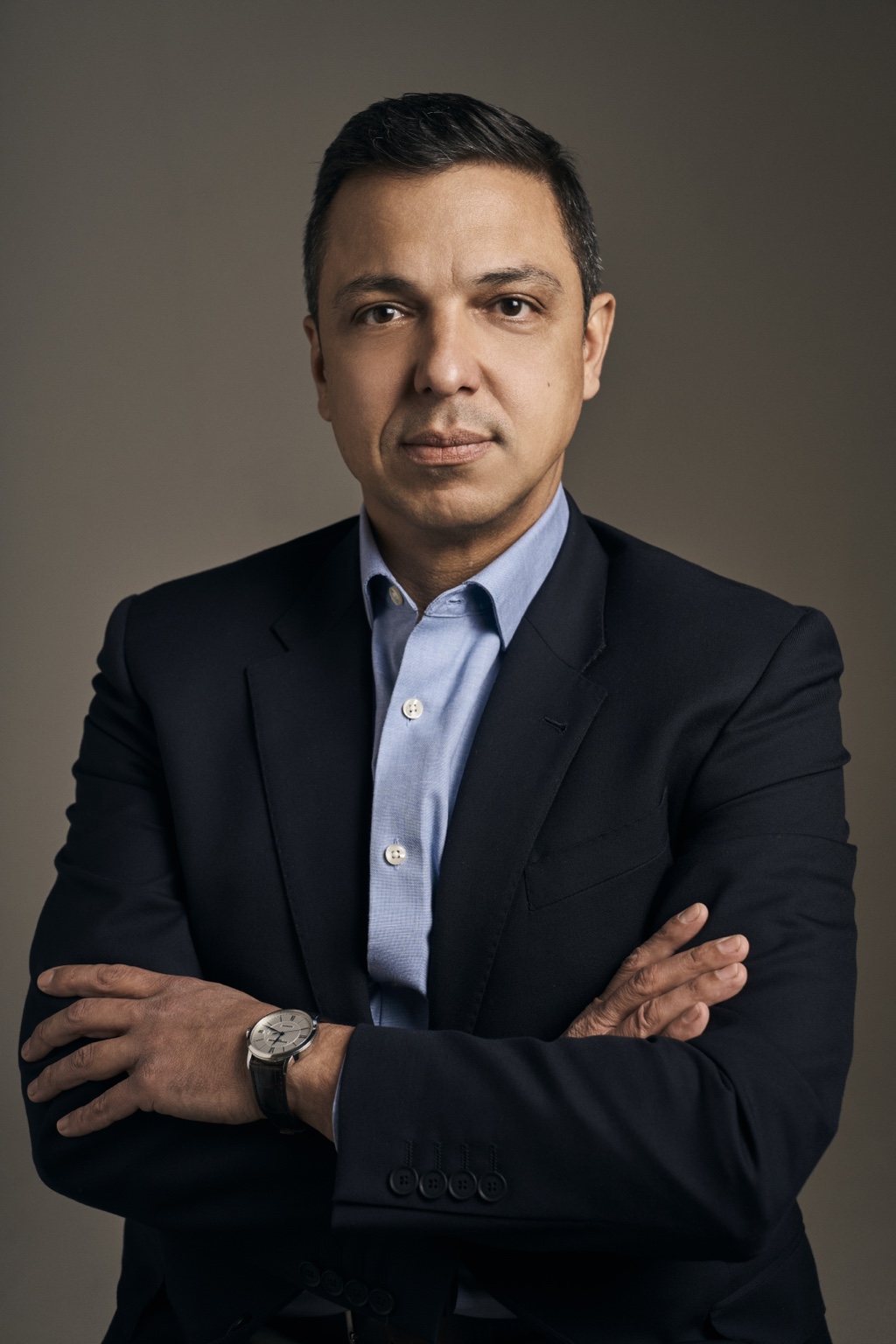
A treatment decision should not be based on an MRI scan or radiological finding alone. The patient’s history, clinical examination, needs and goals determine the most appropriate plan.
“The aim is not simply to treat an image, but to restore the patient’s function and quality of life.”
The least invasive appropriate option is considered first. Surgery is discussed when there is a genuine indication and a clear, reasonable expectation of benefit.
Relating symptoms to clinical examination and imaging findings.
Understanding the options, limitations and likely outcomes.
A plan tailored to the diagnosis, level of activity and individual goals.
Structured rehabilitation and a safe return to activity.
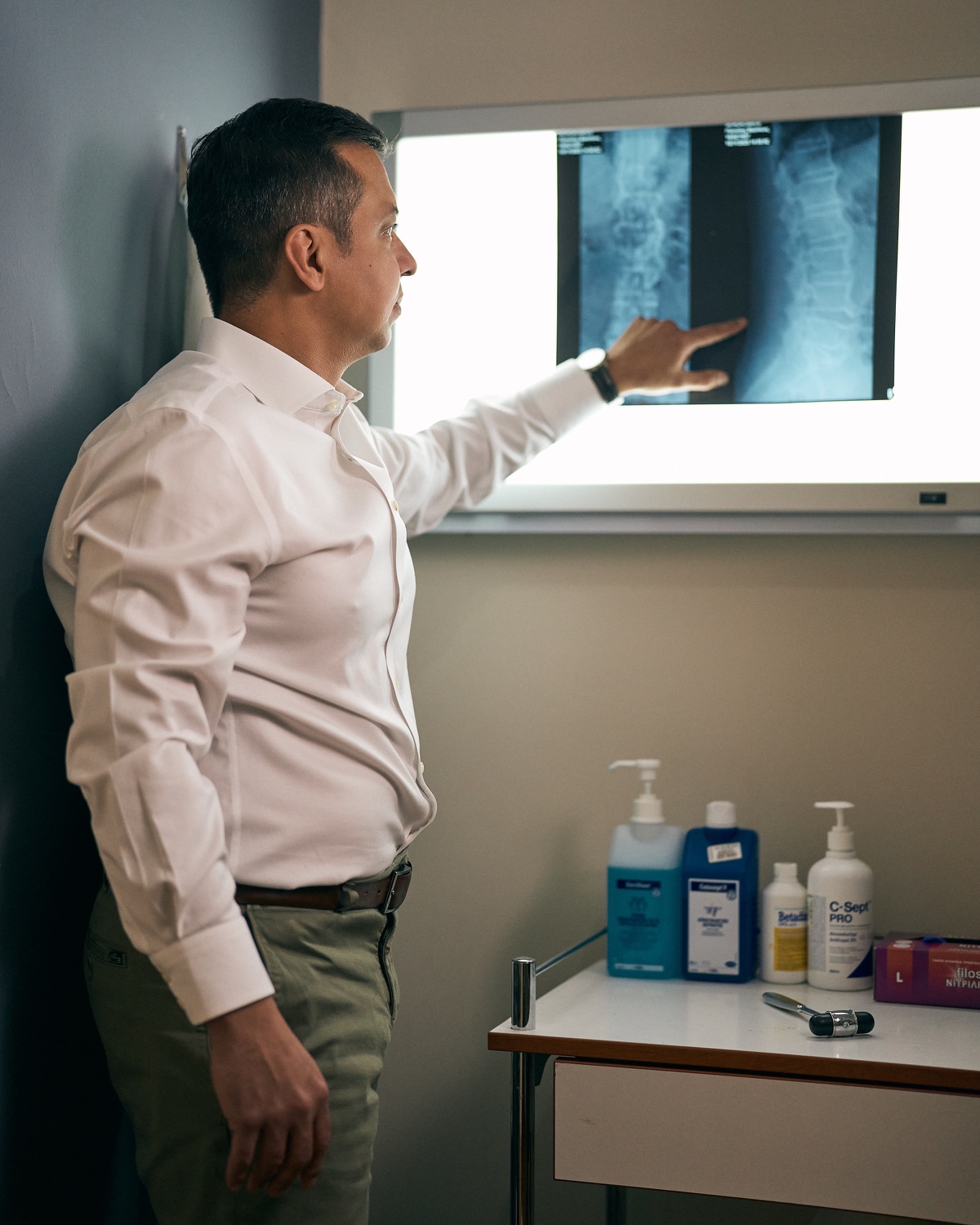
For me, good medical care does not begin with a test. It begins by listening carefully to the person in front of me.
I take the time to help every patient understand what is really happening, which options are available and which treatment is most suitable for their individual situation. I do not treat an MRI scan or an X-ray in isolation; I seek to understand how the problem affects daily life, work, sport and personal goals.
My aim is for each patient to leave the clinic knowing what the diagnosis is, why the problem has developed, what can be done and what the next steps are. Treatment decisions are made together, with honest information about the expected benefits and limitations of every option.
My training in the United Kingdom taught me that modern orthopaedics is not only about the surgeon’s technical expertise. It is also about choosing the right treatment for the right patient at the right time. I apply this principle every day, in both the clinic and the operating theatre.
Before recommending treatment, I want to understand how the problem affects the patient’s life and goals.
Good treatment begins when the patient truly understands the diagnosis and the available options.
Surgery is chosen when it offers meaningful benefit, not as an automatic or only solution.
Follow-up and structured rehabilitation are an integral part of treatment.
Graduate of the School of Medicine.
Clinical experience in a major trauma and orthopaedic centre.
Advanced training in arthroscopy and joint replacement.
Metabolic Bone Diseases and Osteoporosis.
Diagnosis and management of traumatic and degenerative knee conditions.
Assessment and treatment of shoulder pain, injury and instability.
Non-operative and surgical management of hip conditions.
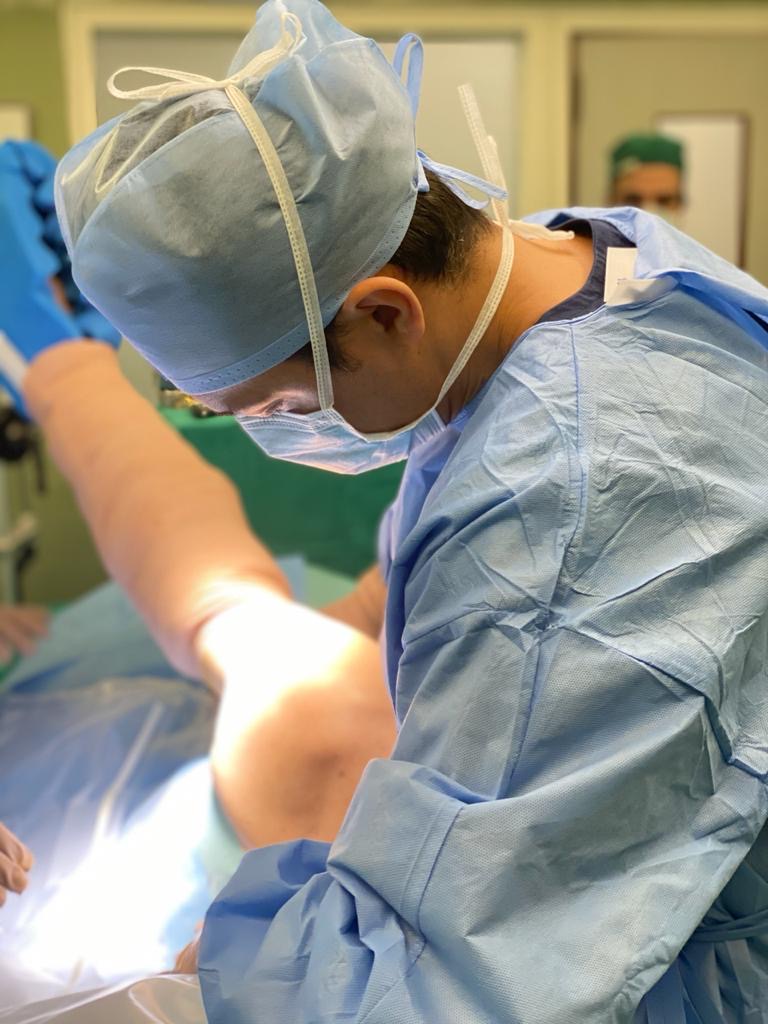
Minimally invasive techniques for selected knee and shoulder conditions, with the aim of preserving healthy tissue and supporting a structured recovery.
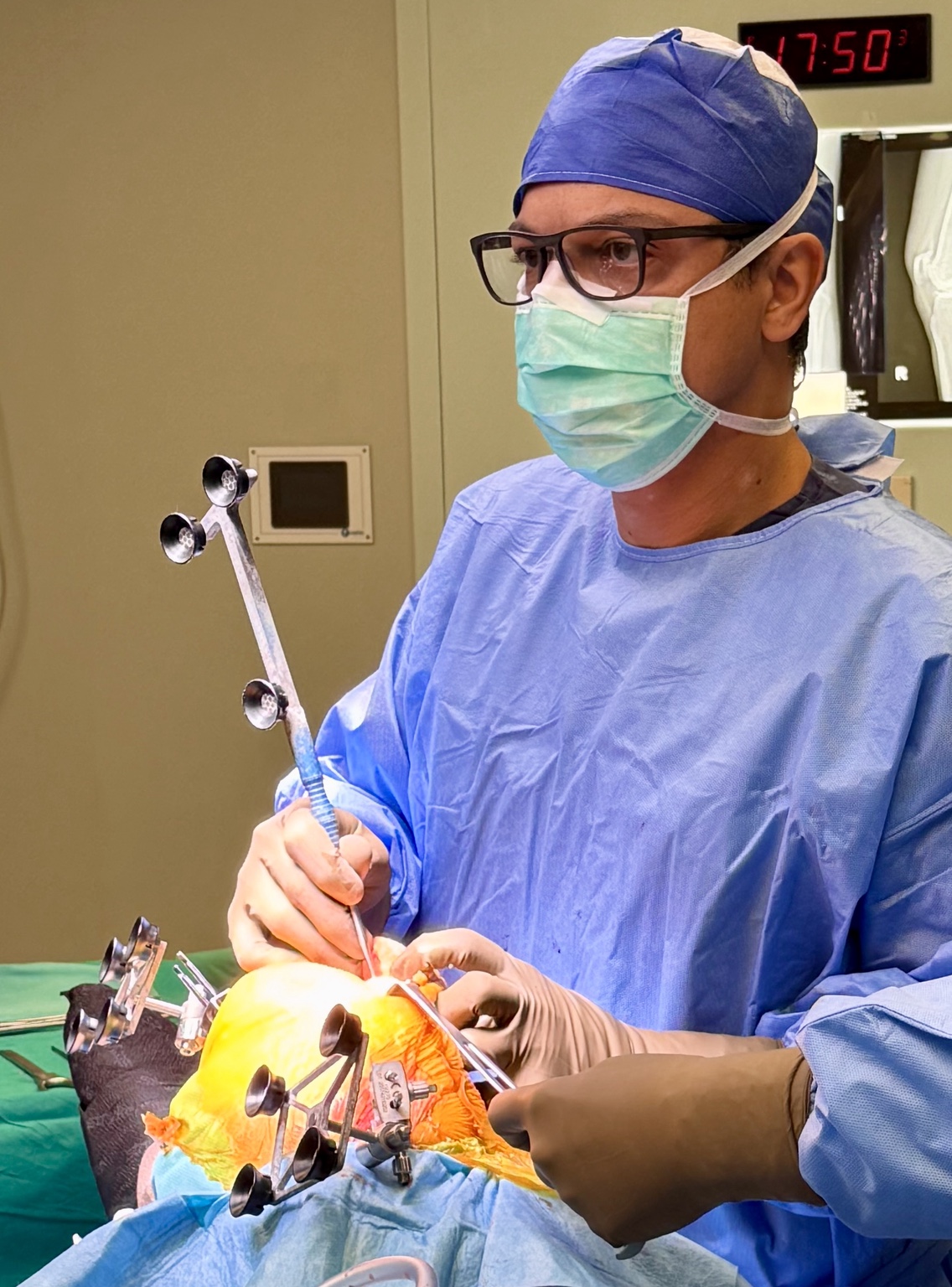
Full certification in the Stryker MAKO system for personalised planning and accurate execution of selected joint replacement procedures.
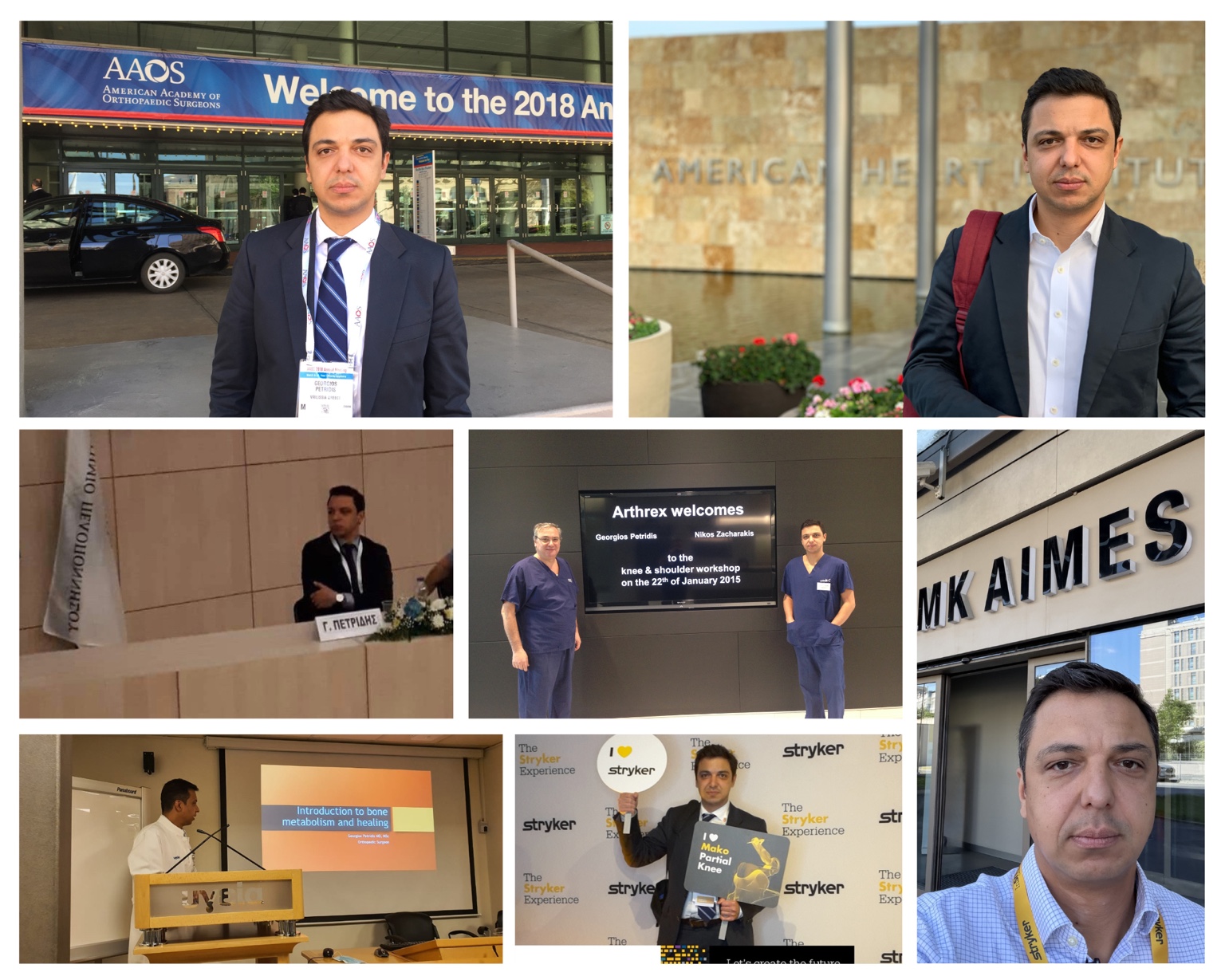
Surgical procedures are performed in an organised hospital environment, supported by specialist anaesthetic, nursing and physiotherapy teams.
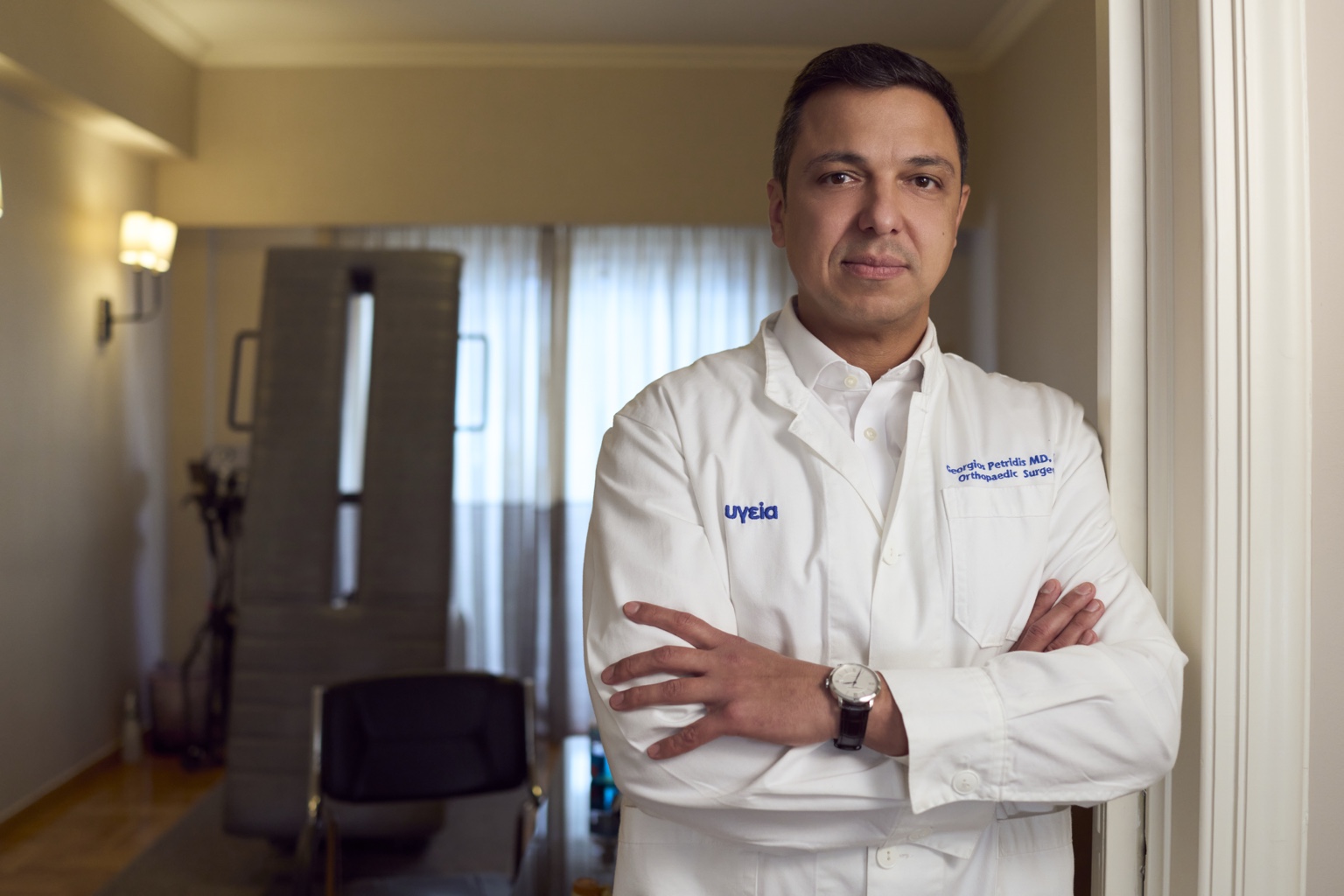
Assessment of orthopaedic conditions and sports injuries, second opinions and modern injectable treatments.
View the Athens clinic →Comprehensive orthopaedic assessment for patients from Loutraki, Corinth and the wider Corinthia region.
View the Loutraki clinic →Arrange an appointment for a clinical examination, a review of imaging studies or a discussion of the available treatment options.