
Diagnosis
Confirming the cause
The clinical picture is considered alongside investigations, rather than treating an imaging finding in isolation.
The aim is not simply to reduce pain temporarily, but to improve function through a plan suited to the patient's diagnosis, needs and general health.
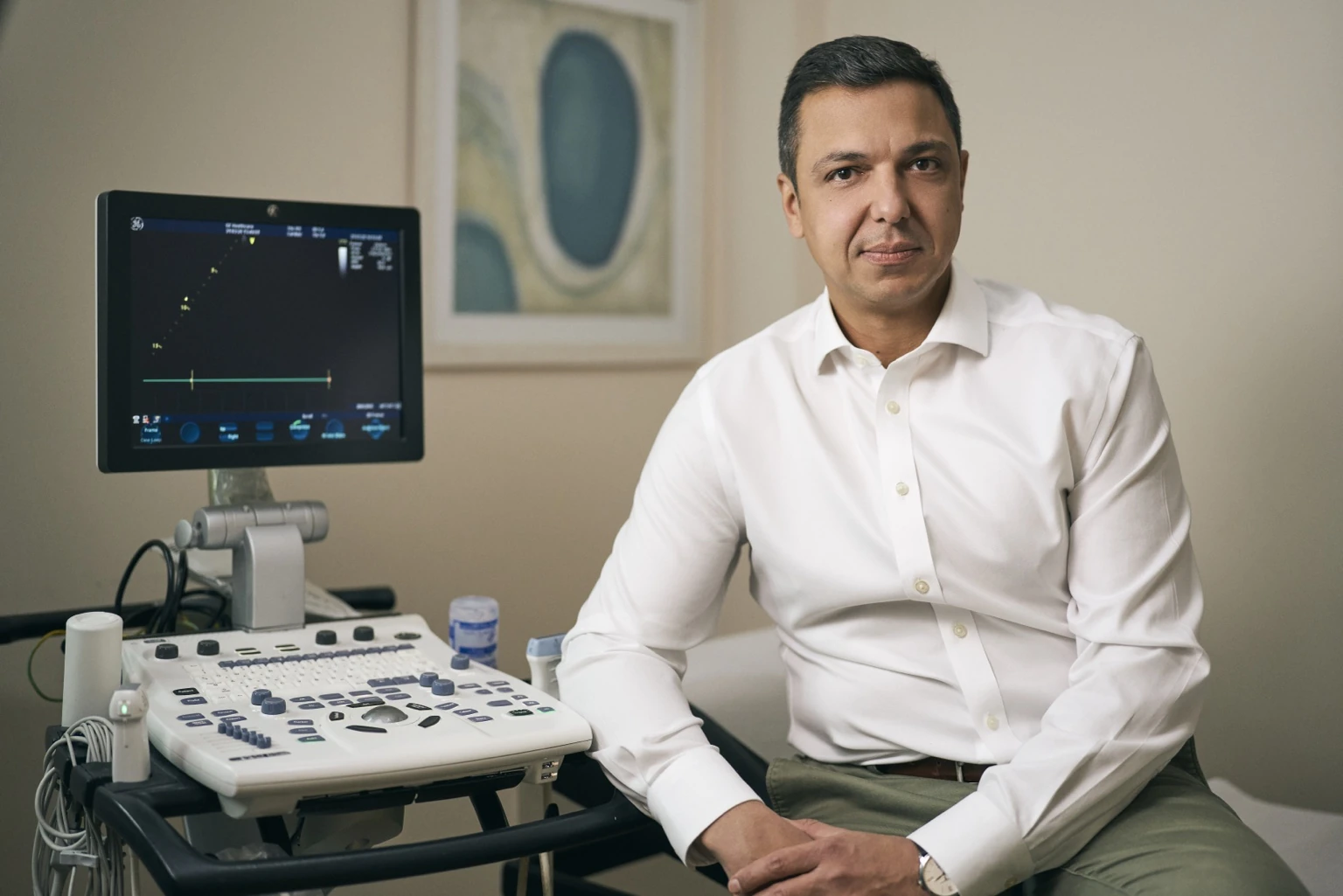
The same diagnosis can affect two people differently. The choice depends on function, symptom severity, individual needs, previous treatments and medical contraindications.
The clinical picture is considered alongside investigations, rather than treating an imaging finding in isolation.
We define what we want to improve: walking, sleep, range of movement, strength or return to activity.
Age, general health, allergies and current medicines influence the options.
We discuss how long any benefit may last, the alternatives and when reassessment is needed.
More than one approach is often combined. The sequence and intensity of the plan depend on the condition, not a one-size-fits-all formula.
Progressive exercise can improve strength, control and function in many long-term conditions. The programme is adapted to the joint, fitness level and goal.
Options for osteoarthritis (In Greek)Temporarily adjusting load, returning to exercise appropriately and, where needed, managing weight can reduce flare-ups without complete immobilisation.
Practical guidesPainkillers or anti-inflammatory medicines may be used for a limited period when safe. The choice and duration require medical guidance, particularly for patients with other conditions or taking other medicines.
Discuss your planIn certain cases, a walking stick, brace or other support may help. Prolonged use without an indication may lead to weakness or reliance on the aid.
Start with your symptomEach option has a different mechanism, level of evidence and potential duration of benefit. The right indication and informed shared decision-making matter more than the name of the treatment.
Prepared from the patient's own blood. Outcomes vary by condition, protocol and patient characteristics; it does not guarantee cartilage ‘regeneration’.
PRP guideUsed in selected joints and patients. Clinical guidelines do not all agree on its benefit, so its use requires realistic expectations.
Understand the evidenceMay temporarily reduce pain during certain inflammatory flare-ups. It is not a routine treatment for frequent repetition, and contraindications must be checked.
Cortisone injection guide (In Greek)When indicated, they may create a window for better movement and rehabilitation. The response and next step need to be reassessed.
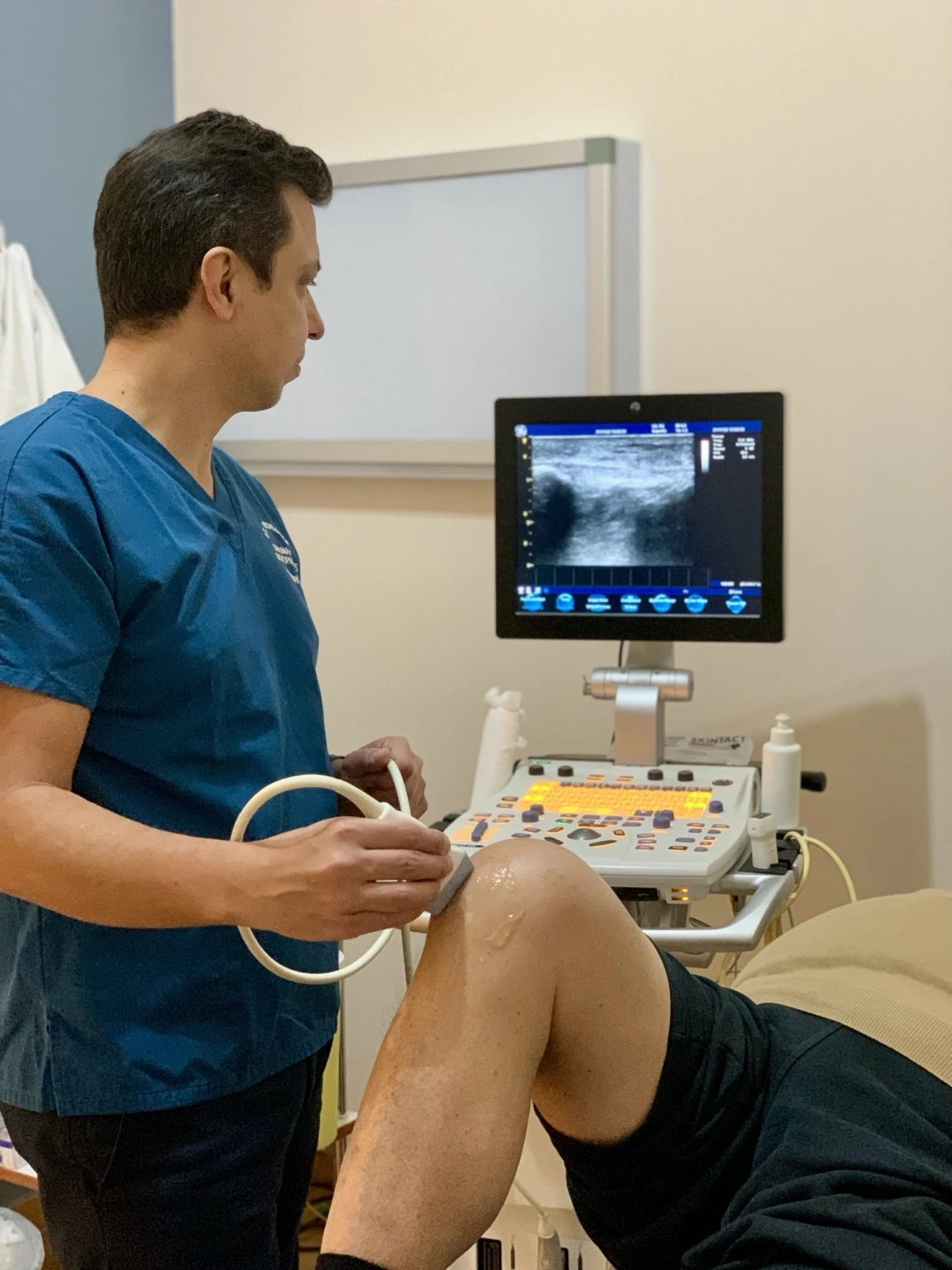
Ultrasound can help assess tendons, bursae and other superficial soft tissues, while allowing movement to be observed in real time.
A plan should not remain open-ended indefinitely. Specific steps are agreed, and meaningful improvement in function is assessed.
Pain, movement, activities and the main functional limitation.
Based on the diagnosis, safety and the best available evidence.
Clear instructions, a realistic timescale and consistency with rehabilitation.
Continue, adjust or discuss another option on the basis of new information.
In selected shoulder cases, ultrasound-guided lavage of the calcium deposit may be discussed. Explore the method, its benefits and limitations (In Greek).

Treatment is chosen after clinical assessment, discussion of alternatives and agreement on a realistic goal for each patient.
View the biographyAssessment starts with the diagnosis and leads to a plan with a clear goal, duration and follow-up.