
Clinical question
What are we treating?
We identify which injury or abnormality is responsible for the pain or loss of function.
An operation is valuable when it addresses a specific problem, serves a clear functional goal and is supported by a realistic plan for preparation and rehabilitation.
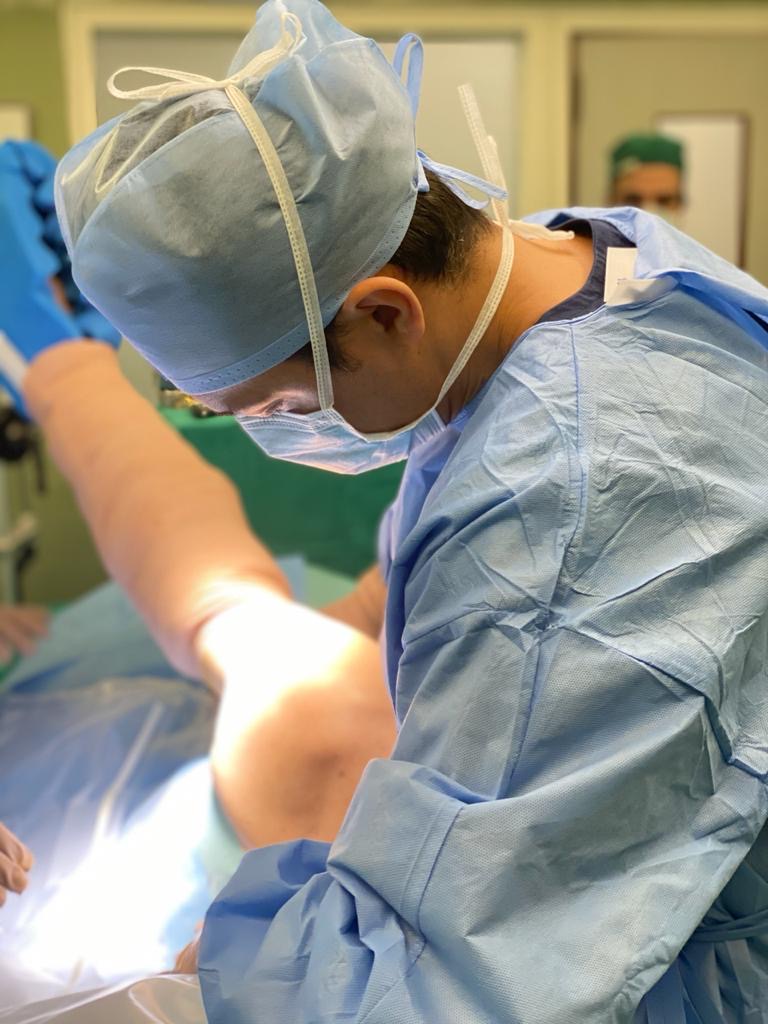
A technically advanced operation is not necessarily the right operation. First come confirmation of the diagnosis, assessment of non-surgical options and discussion of the actual goal.
We identify which injury or abnormality is responsible for the pain or loss of function.
We explain the non-surgical options and what to expect if surgery is not performed now.
Relief, stability, healing or a safer return to a particular activity.
General health, anaesthetic assessment, medicines and preparation for rehabilitation.
The aim may be to repair or preserve tissue, replace a worn joint, or treat a fracture promptly.
Minimally invasive techniques for selected meniscal, cruciate ligament and tendon injuries, and instability, when there is a clear indication.
What is arthroscopy? (In Greek)For advanced joint wear that substantially limits daily life and is not adequately controlled by appropriate non-surgical management.
Joint replacement guide (In Greek)Stability, fracture location, age and general health determine whether fixation, joint replacement or non-surgical management is needed.
Hip fracture (In Greek)For selected problems within the joint, not as a general treatment for all pain or osteoarthritis.
Explore the procedureWhen the type, location and tissue quality of the tear allow the meniscus to be preserved.
How it is performed (In Greek)Mainly discussed when functional instability prevents the activities the patient needs to perform.
Explore the technique (In Greek)The distribution of joint wear and ligament function influence the choice.
Compare the options (In Greek)Supports preoperative planning and execution within defined boundaries.
Full guide (In Greek)Safe mobilisation, exercises and follow-up are organised before discharge.
Explore the plan (In Greek)Used for selected injuries through small incisions and with specialised instruments.
Step by step (In Greek)The decision depends on the tear, weakness, age and tendon quality.
When it is needed (In Greek)In recurrent instability, the ligaments and any bone loss are assessed.
Explore the options (In Greek)For advanced arthritis or irreparable damage in suitable patients.
When it is the right option (In Greek)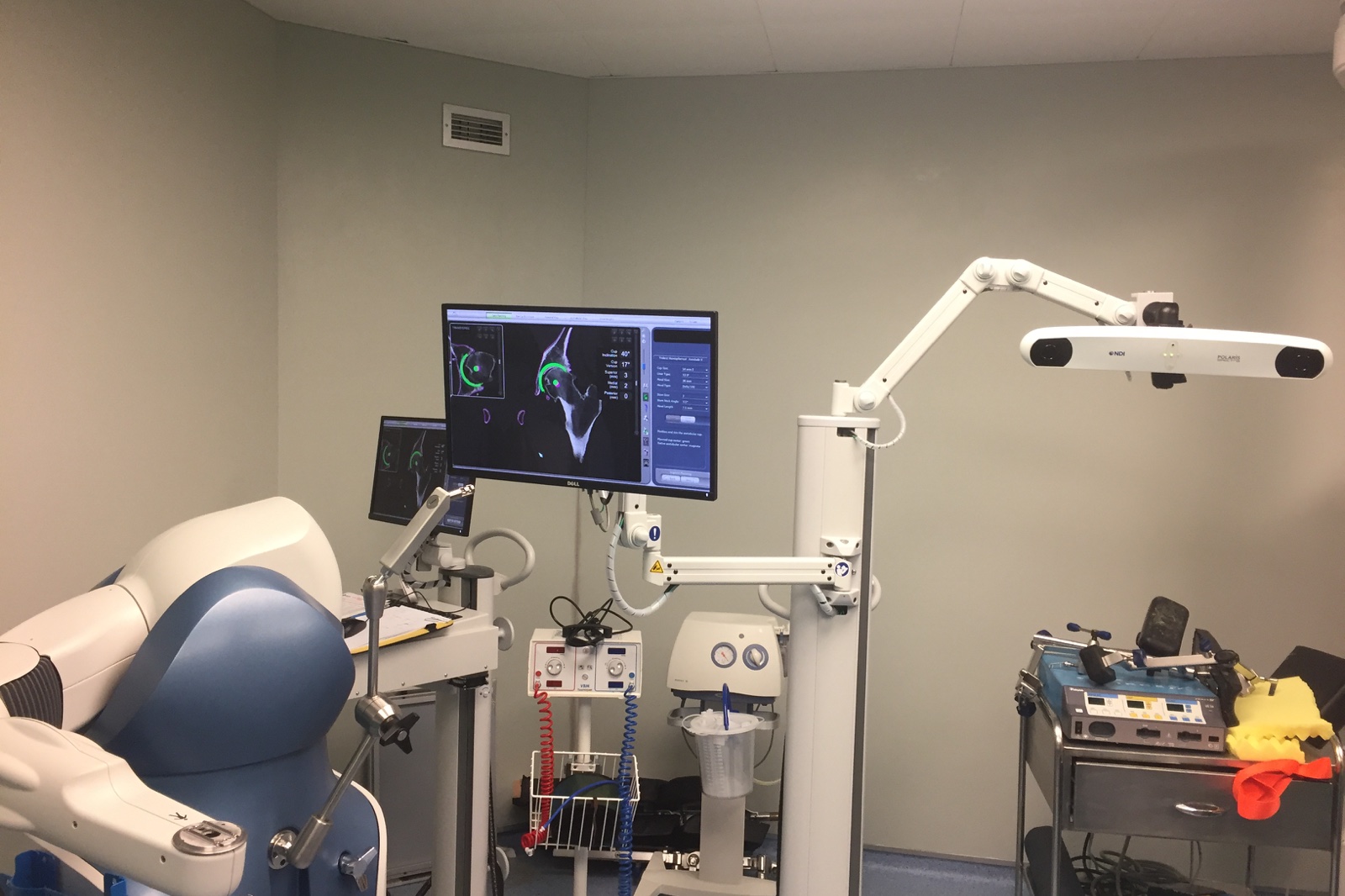
The hip section focuses on clinically important options: planning joint replacement with robotic assistance, the AMIS anterior approach and timely fracture management.
How planning works and who remains responsible for decisions.
Explore the page (In Greek)What the approach involves and when it may be considered.
Explore the method (In Greek)Diagnosis, surgical options and a structured rehabilitation pathway.
Read the guide (In Greek)Preparation and rehabilitation are not secondary stages; they contribute to the surgical outcome.
Medical history, medicines, investigations, anaesthetic assessment and a discharge plan.
The goal, alternatives, specific risks and expected rehabilitation pathway.
Starting at the appropriate time, with instructions on weight-bearing and preventing complications.
Wound review, progress in function and gradual return to activities.

A surgical opinion includes checking the indication, discussing alternatives and establishing a specific preparation and rehabilitation plan.
View the biographyBring your imaging and details of previous treatment, so that the indication can be reviewed and all options discussed.