
Meniscal tear
May cause joint-line pain, swelling or mechanical symptoms. Not every tear requires surgery.
Symptoms and options (In Greek)A structured starting point to understand what may be causing your symptoms, how a diagnosis is established and which options may be discussed in your case.
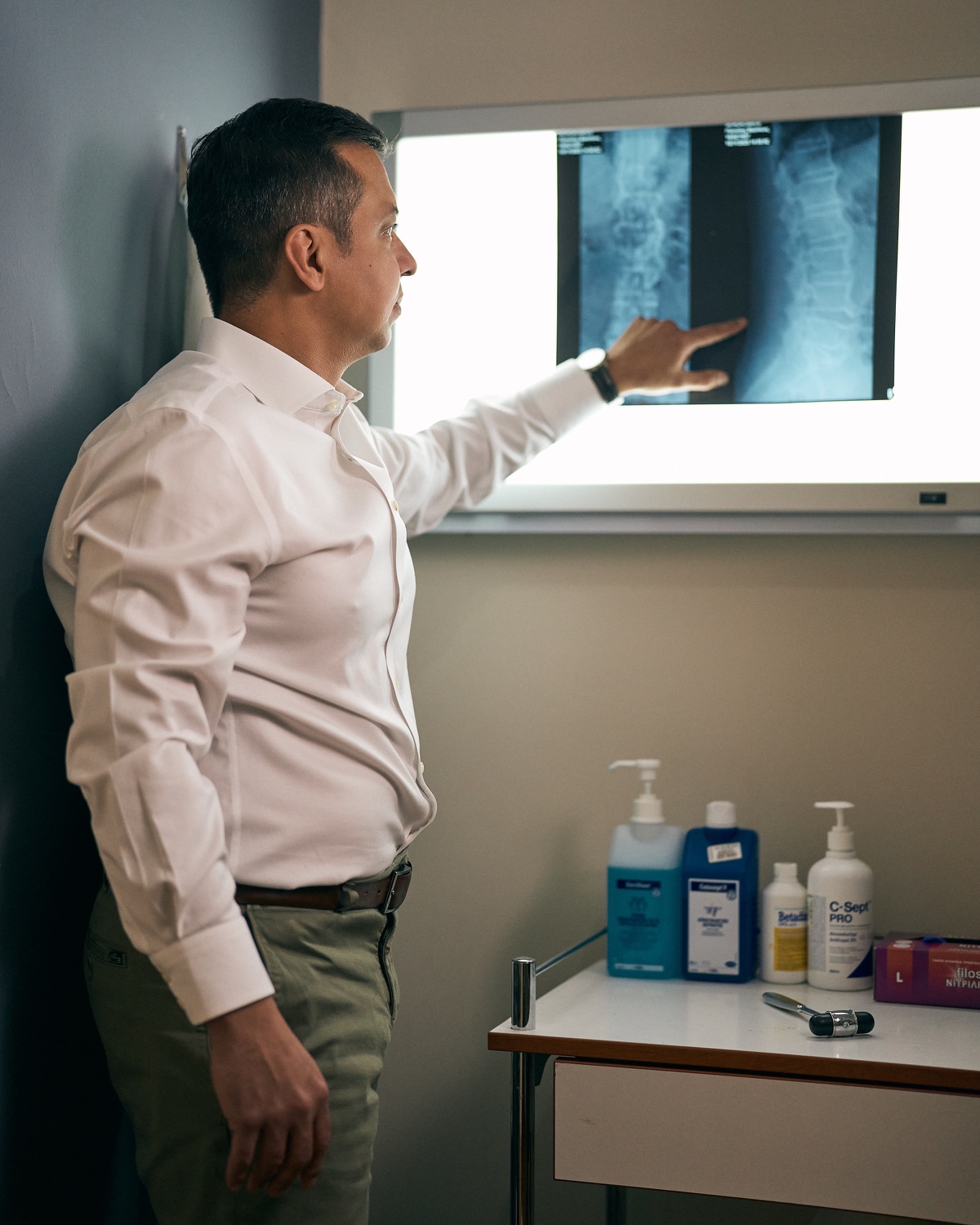
Each hub connects symptoms, conditions, non-surgical options, procedures and rehabilitation guides, without replacing an individual diagnosis.
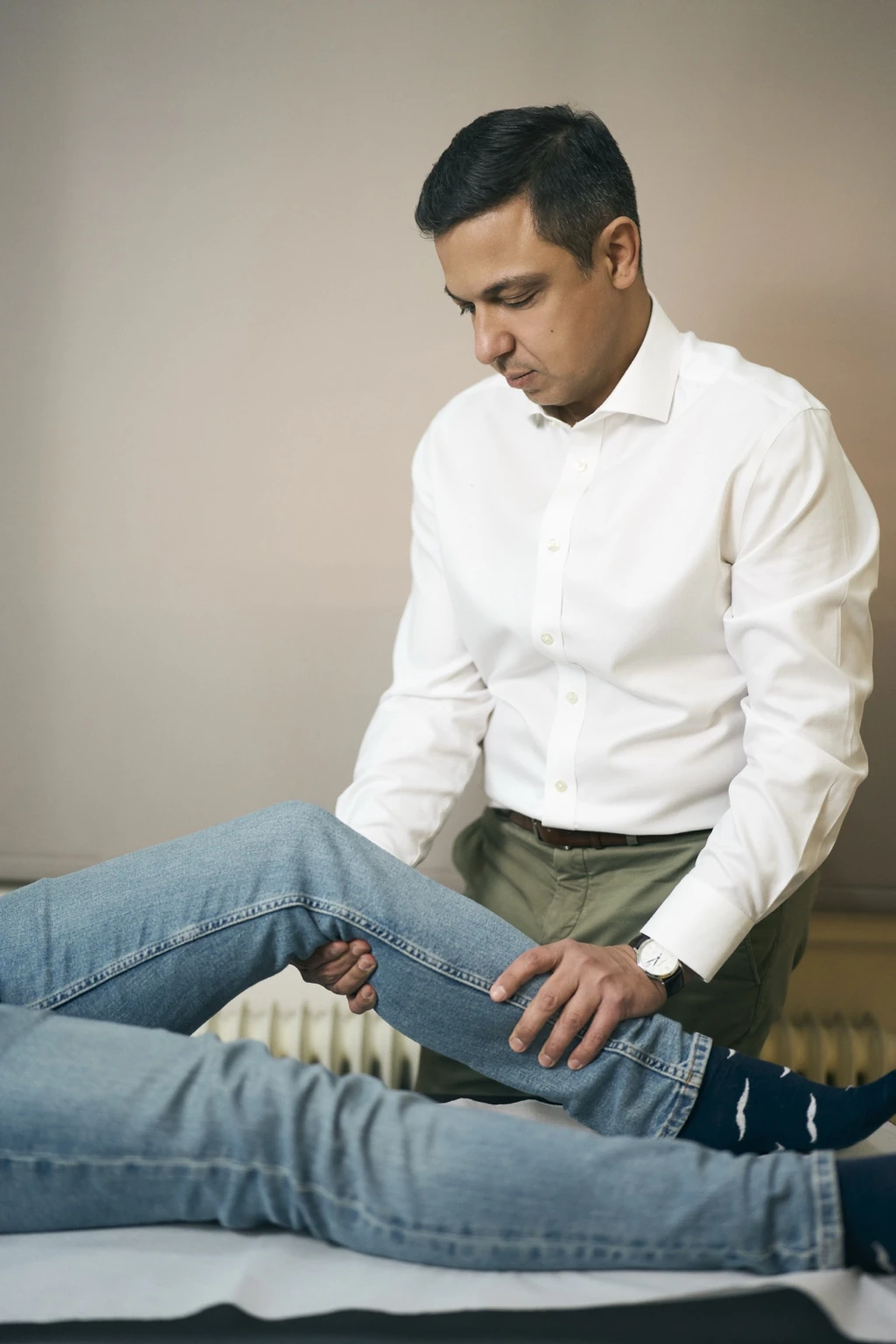
Meniscus, cruciate ligaments, cartilage, kneecap, fractures and osteoarthritis.
Explore the Knee hub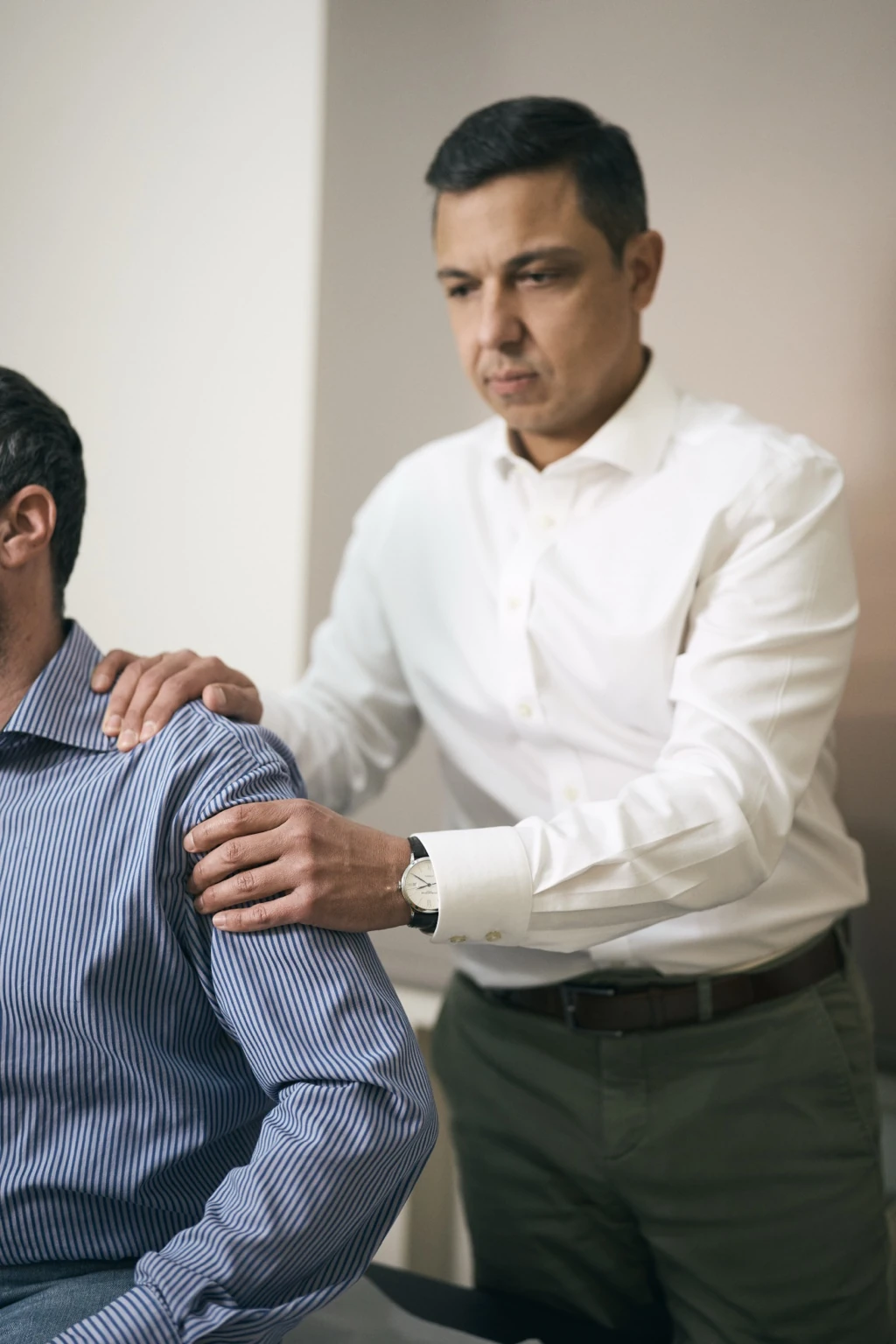
Rotator cuff, instability, frozen shoulder, tendinitis and arthritis.
Explore the Shoulder hub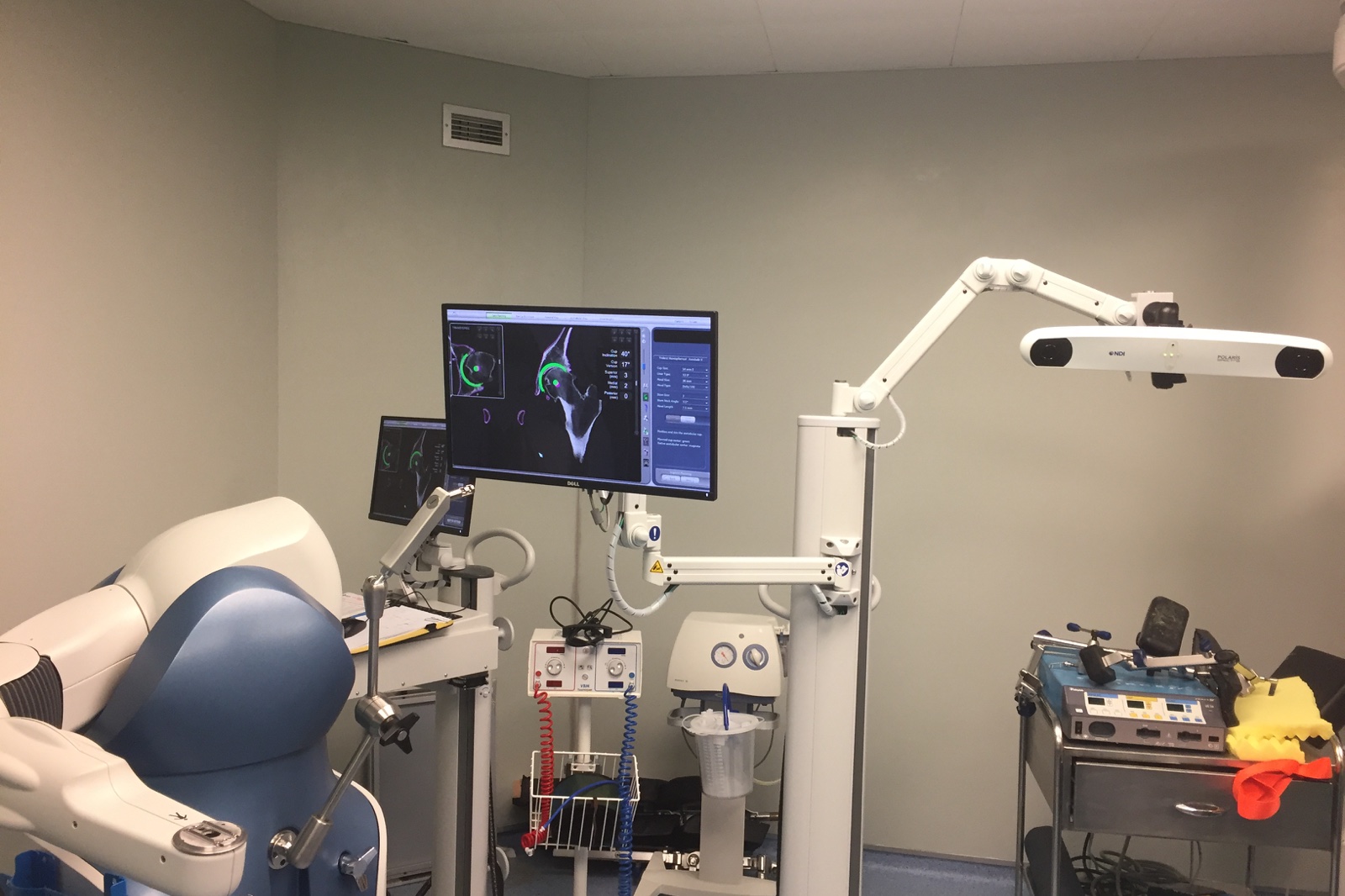
Arthritis, hip fracture, greater trochanteric pain and femoroacetabular impingement.
Explore the Hip hubMay cause joint-line pain, swelling or mechanical symptoms. Not every tear requires surgery.
Symptoms and options (In Greek)Often associated with a twisting injury, a feeling of giving way and functional instability.
How it is recognised (In Greek)Pain on weight-bearing, stiffness and progressive restriction are assessed alongside X-ray findings.
Explore the condition (In Greek)The location and extent of the injury, age and activity level influence the treatment plan.
Explore the options (In Greek)Episodes of dislocation or apprehension during movement require assessment of stability and anatomy.
Appropriate management (In Greek)Acute pain after an injury, inability to bear weight or deformity require prompt assessment.
Read more (In Greek)Pain when raising the arm or at night, together with weakness, may be related to tendon injury.
Treatment and options (In Greek)After a dislocation or recurrent episodes, the ligaments and possible bone injuries are assessed.
How it is managed (In Greek)Progressive stiffness with pain and restriction of both active and passive movement.
Read the guide (In Greek)Overloading and repetitive movement can irritate tendons, but it is important to distinguish this from a tear.
Exercises or treatment? (In Greek)Pain and restricted movement may affect sleep, dressing and everyday activities.
Causes and options (In Greek)Calcium deposits may cause severe pain, but imaging findings and symptoms do not always correspond.
Explore treatment (In Greek)Groin pain, difficulty walking and restricted rotation are common features.
Symptoms and treatment (In Greek)Often occurs after a fall in older age and requires immediate hospital assessment.
Explore the condition (In Greek)Pain at the side of the hip, particularly when lying down or walking, may involve the gluteal tendons.
Read more (In Greek)In younger, active patients it may cause pain during deep bending or twisting movements.
Explore the condition (In Greek)Pain that persists, occurs at night or is accompanied by inability to bear weight needs assessment.
When is it serious? (In Greek)Less common conditions require systematic clinical and imaging assessment.
Request an assessmentThe clinic also assesses common upper- and lower-limb problems, sports injuries and bone-related symptoms.
Numbness, night-time symptoms and weak grip require neurological and orthopaedic assessment.
Read the guide (In Greek)Pain on the outside of the elbow that worsens with gripping or repetitive use.
Explore the condition (In Greek)The severity of the injury and functional examination determine the need for imaging.
Read about sprains (In Greek)Persistent pain without a clear injury may need specific imaging investigations.
Read the guide (In Greek)If there is visible deformity, inability to bear weight, loss of sensation or very severe pain, seek emergency medical care immediately. Call 166 or go to a hospital Emergency Department.
Imaging abnormalities may be present without explaining the symptoms. The right decision brings together the history, examination, imaging and the person's needs.
When it began, what triggers it, what it limits and what has already been tried.
Movement, pain location, strength, stability and functional tests.
X-ray, ultrasound, MRI or another investigation only when it answers a specific question.
Options, benefits, limitations and a realistic goal for returning to function.

Orthopaedic Surgeon with a clinical focus on knee, shoulder and hip conditions, arthroscopy, joint replacement and robotic orthopaedic surgery.
View the biographyBring your investigations and a brief account of how your symptoms have developed, so that your practical options can be discussed.